




The Declaration was just the beginning.
As the nation marks 250 years of American history, the National Constitution Center invites people of all ages to explore the ideas that launched our nation and the stories that continue to shape it today. With resources for families, educators, and curious learners, discover that bring America's founding principles and history to life—because our story continues, and each generation helps shape what comes next.
Explore
Why Read the Founding Documents?
Supreme Court Justice Neil M. Gorsuch and Justice Stephen G. Breyer (Ret.) talk about how the founding documents reflect the words we try to live by today.

Dive into the Declaration
Experience the Declaration of Independence like never before with full annotated text, audio narration, original document images, and videos that bring the ideals of 1776 to life.
Explore the Interactive Declaration
The Constitution in Conversation
Discover how experts agree and disagree about the Constitution’s history and meaning and explore perspectives on the constitutional debates that continue to shape American life.
Explore the Interactive ConstitutionUncover the Stories Behind the Signatures
See all BiographiesMeet the 89 individuals who signed the Declaration of Independence and the Constitution through historian Carol Berkin's vivid biographies in written and video form. From familiar names to forgotten heroes, get to know the people who risked everything for our new nation.
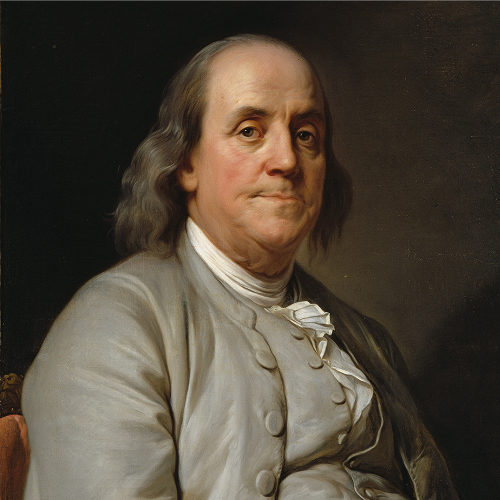
Ben Franklin
“History—or historical myth—has recorded Franklin's prophetic words to a woman who asked him what kind of government the Constitutional Convention was proposing. “A republic, madam,” he replied, adding “if you can keep it.”
Thomas Jefferson
“At the age of 33, Jefferson was one of the youngest delegates to the Second Continental Congress. Together with his newfound friend, John Adams, he served on a committee of five chosen to write a Declaration of Independence. Although the other members of the committee thought Adams should draft the Declaration, Adams persuaded them that Jefferson was the better choice.”
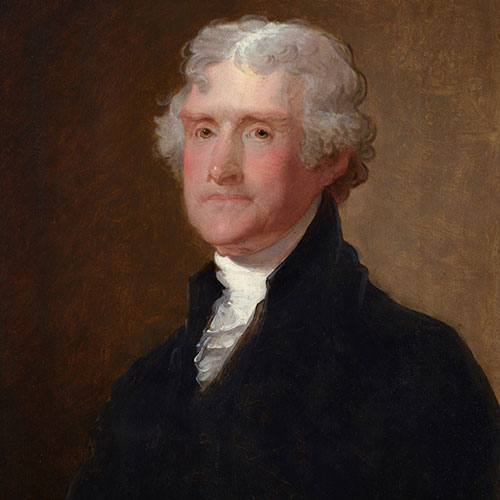
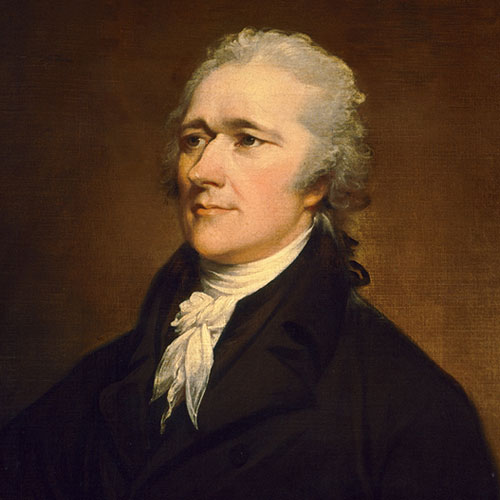
Alexander Hamilton
“‘I charge you to protect his fame….that fame may be a rich treasure to you….Let it be the test by which to examine those who solicit your favour…view their conduct and on a doubtful occasion, ask, Would Hamilton have done this thing?’”—Gouverneur Morris's Eulogy at Alexander Hamilton's funeral
Discover the Ideas That Shaped America—With Leading Scholars
What did liberty and equality mean in 1776 and what do they ask of us today? Renowned historians and scholars provide their examinations of the founding principles that defined our democracy and still influence how we live it, through written word and short videos.
Browse Scholar Essays & VideosThe Declaration, the Constitution, and the Idea of Equality
Danielle Allen discusses the meaning of the principle of equality in the Declaration and its evolution over time through the Constitution and the law.

By Danielle Allen
Bryant Conant University Professor at Harvard University
The Declaration’s Grievances Against the King
Rosemarie Zagarri explains that while the list of grievances is today an overlooked part of the Declaration of Independence, the list was arguably the most critical section of the document in 1776.

By Rosemarie Zagarri
Distinguished University Professor, George Mason University
The Declaration’s Promises
Eric Slauter notes that the Declaration’s stirring words are a testament to the power of ideas and to the efforts of ordinary Americans to press them into service for change.

By Eric Slauter
Deputy Dean of Arts and Humanities and the College, University of Chicago.
Engage
Keep Exploring America’s Story
From podcasts and films to exhibits and town halls, dive deeper into the people, ideas, and debates that continue to shape America—250 years and counting.

The Promise of America: Reflections on Our Enduring Ideals
Purchase an inspirational collection of essays exploring the founding principles that continue to shape American democracy from the nation’s leading constitutional scholars.

Pocket-Sized Founding Documents
Free pocket-sized America at 250 versions of the U.S. Constitution, the Declaration of Independence, and the Bill of Rights. Complete the request form to receive copies.

Trivial Pursuit: Exploring America's Story
Purchase a special edition of the classic game, created by the National Constitution Center for both kids and adults to explore key moments, ideas, and figures in American history.

Civic Quest
Civic Quest is a free play-based family learning experience where kids and caregivers crack codes, meet key historical figures, and discover how big ideas and teamwork helped shape America. Limited quantities available.

We the People Podcast
A weekly show of constitutional debate where listeners can hear the best arguments on all sides of the constitutional issues at the center of American life and explore essential America 250 topics.
Experience America's 250th at the Center or Online
Attend family-friendly programs, town halls, book clubs, and special events presented with partners in Philadelphia or virtually throughout the anniversary year.

The Living Declaration: Rediscovering America’s Founding Text
Scholars Ted Widmer, Eric Slauter, and Lucas Morel, join the National Constitution Center for a conversation exploring the long afterlife of the Declaration of Independence and its enduring place in American life. Thomas Donnelly, lead scholar at the National Constitution Center, moderates.
Exploring the Lives and Legacies of Justices Scalia and Alito
Join the National Constitution Center for a conversation with two acclaimed biographers James Rosen and Peter S. Canellos who have explored the personal histories, formative experiences, judicial philosophies, and enduring influence of these two justices. Together, they consider the distinct paths that brought Justice Scalia and Justice Alito to the nation’s highest court, their approaches to constitutional interpretation, and their influence on American law and the Supreme Court. Julie Silverbrook, chief content and learning officer at the National Constitution Center, moderates.
Veterans Day
In honor of Veterans Day, the National Constitution Center recognizes the dedication and sacrifices of the brave people who have answered the Constitution’s call to “provide for the common defence.” Museum admission is free for U.S. military veterans, as well as active duty and retired U.S. military personnel, on Wednesday, November 11.
H.W. Brands on American Patriarch: The Life of George Washington
Historian H. W. Brands, the Jack S. Blanton Sr. Chair in History at the University of Texas at Austin, joins to discuss his new book, American Patriarch: The Life of George Washington. Drawing on diaries, letters, speeches, and broadsides of the day, American Patriarch examines the ambitions and experiences that shaped the first president of the United States and provides a vivid portrait of the iconic leader who steered the American army to victory and launched the nation in its 250-year-old experiment in self-government. Tom Donnelly, lead scholar at the National Constitution Center, moderates.
Experience New Exhibits

America’s Founding
Journey from the first sparks of revolution to the drafting of the Constitution and Bill of Rights through rare artifacts, interactive experiences, recreated historical environments, and powerful stories of the people who shaped the nation. Walk through Revolutionary-era Philadelphia, explore debates between Federalists and Anti-Federalists, and discover how the founding principles of liberty, equality, and self-government continue to shape our lives today.
Learn More About the Exhibit
Governing the Nation
From landmark Supreme Court moments to presidential power, voting rights, and civic participation, this exhibit brings the machinery of American government to life. Through rare historical artifacts and hands-on experiences, visitors explore how the three branches of government balance power, how states and the federal government share authority, and how constitutional debates continue to influence the nation today.
Learn More About the ExhibitResources for the Next Generation
Find lesson plans and activities to explore the Declaration, the Constitution, and founding principles in the classroom.

Bring History Home
Activities to engage the whole family in learning about the founding documents.
Pursuing Happiness: The Franklin Challenge
Test out Benjamin Franklin's daily civic habits.
Founders Table Talk
Big questions and conversations about the Revolution.
Family Lit Circles: Reading Together for A250
Read together across generations with prompts and discussion.
Civic Calendar
Monthly themes, activities, and guides to celebrate America 250.
Civic Parenting Podcast
Raising engaged citizens does not happen in schools alone. It starts at home. Civic Parenting, a special 10-episode series, explores how families can build the habits of self-government that keep our constitutional democracy strong.
Learn More