



Constitution Daily Blog
19th Amendment
The Constitution and the SAVE America Act
This week, the Senate is expected to start an extended public debate about the SAVE America Act, a proposed bill that would…
On this day, Jeannette Rankin’s history-making moment
It was on April 2, 1917 that Jeanette Rankin became the first woman in Congress. But within days, she became the target of…
The vote that led to the 19th Amendment
On the anniversary of the 19th Amendment's ratification, we look back at a young politician whose unexpected vote in the Tennessee…
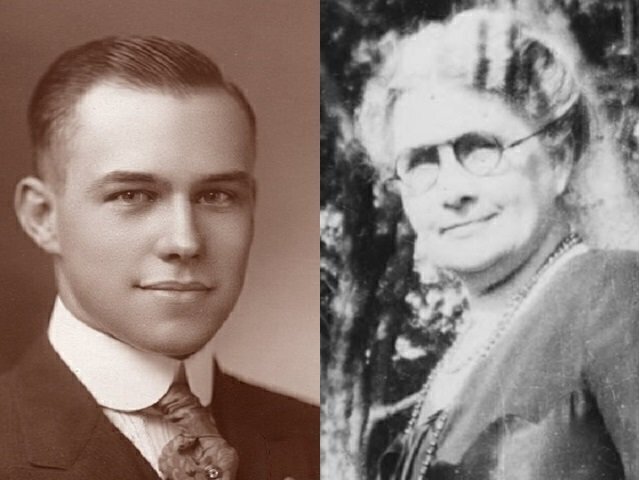
On this day, the 19th Amendment joins the Constitution
On this day in 1920, Tennessee became the 36th state to ratify the 19th Amendment, ensuring that the amendment guaranteeing a…
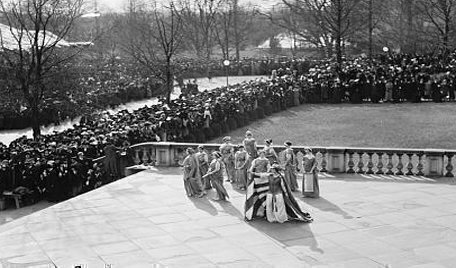
On this day, the first woman is directly elected to the Senate
On January 12, 1932, a recent widow became the first woman to win election to the United States Senate, when Hattie Ophelia Wyatt…
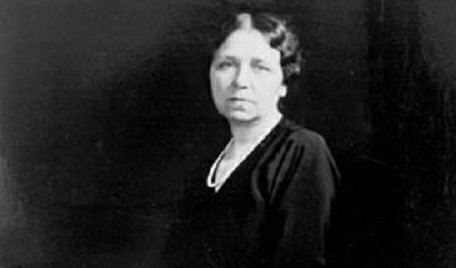
Why is August 26 known as Women’s Equality Day?
The 19th Amendment gave women the right to vote nationally on August 18, 1920, so why is Women’s Equality Day on August 26th…
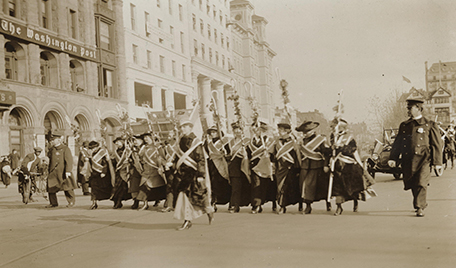
On this day, the Supreme Court upholds limits on women and factory work hours
On February 24, 1908, the Supreme Court decided Muller v. Oregon, unanimously upholding an Oregon law setting a 10-hour limit on…

The Evolution of Voting Rights in America
The right to vote has long been considered one of the cherished freedoms key to American democracy. But voting rights in general…
Will the Equal Rights Amendment Be Adopted?
The ERA remains caught up in the surprisingly unsettled question of the process of adding a proposed amendment to the…

Could the Equal Rights Amendment become a reality?
On January 15, 2020, the Virginia legislature passed a resolution to ratify the Equal Rights Amendment. The move sets off an…