



Constitution Daily Blog
Bill of Rights
Supreme Court showdown over Ten Commandments likely after federal court decision
A deeply divided federal appeals court has ruled that public schools in Texas are allowed to display Ten Commandments posters or…

Minnesota considers banning free-speech rights for artificial intelligence agents
A constitutional battle is brewing in Minnesota after a bipartisan coalition of elected officials have proposed a state…
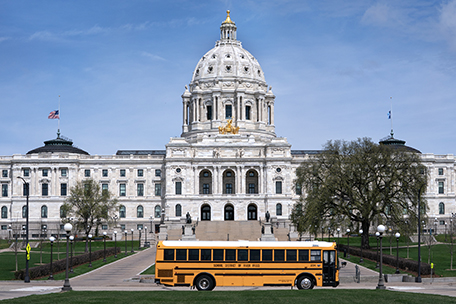
Presidential powers, transgender rights among upcoming Supreme Court arguments
Starting in January 2026, the Supreme Court will resume hearing arguments in several high-profile cases, including debates about…
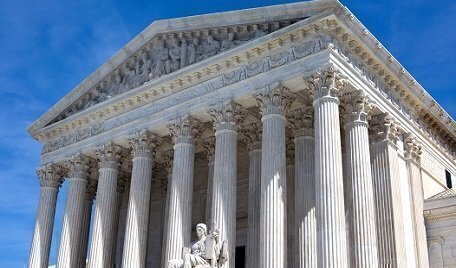
The Insurrection Problem
Violence has marred the American constitutional order since the founding. Is it inevitable?
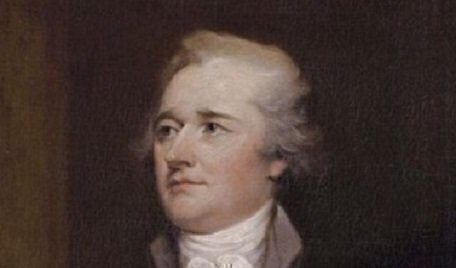
How the Supreme Court ruled on press censorship cases after World War I
In a three-part series, Constitution Daily looks at a series of landmark cases that have defined First Amendment rights and free…
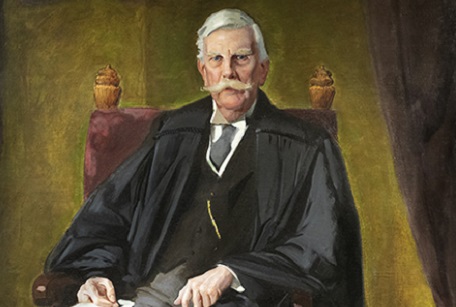
A look at early landmark free press censorship cases
In the first part of a three-part series, Constitution Daily looks at a series of landmark cases that have defined free speech…
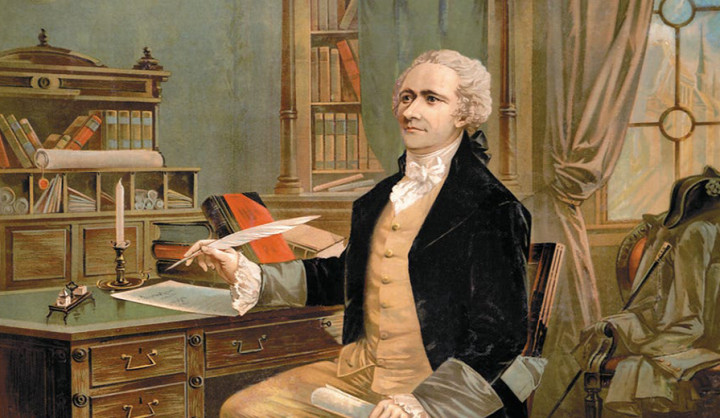
On this day, a divided Supreme Court rules on the Second Amendment
On June 28, 2010, a deeply divided Supreme Court upholds gun-ownership rights within homes on a national basis, expanding on a…