

Constitution Daily Blog
Speech and Press Clause
When the Supreme Court ruled to allow American flag burning
On June 21, 1989, a deeply divided United States Supreme Court upheld the rights of protesters to burn the American flag in a…

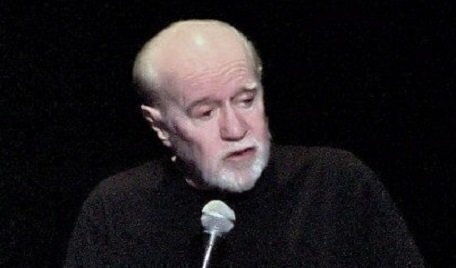
Looking back: George Carlin and the Supreme Court
On July 3, 1978, the Supreme Court issued its historic verdict in the George Carlin “seven dirty words” case, a decision that…
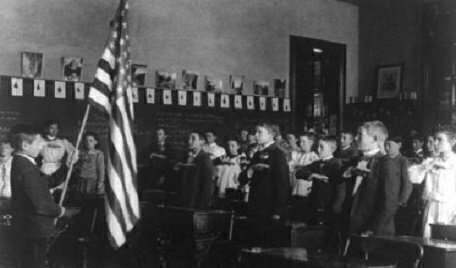
The history of legal challenges to the Pledge of Allegiance
The Pledge of Allegiance to the United States' flag has been part of American life for generations, but not without some…
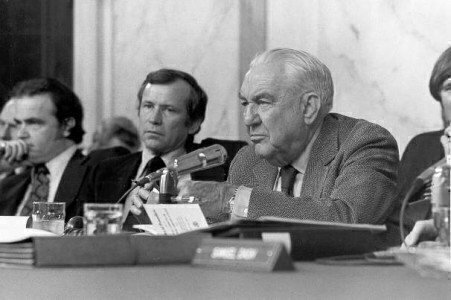
10 fascinating facts about Watergate
On June 17, 1972, police caught five men breaking into the Democratic National Committee headquarters at the Watergate complex in…
Battle for the Constitution: Week of February 8th, 2021 Roundup
Here is a round-up of the latest from the Battle for the Constitution: a special project on the constitutional debates in American…
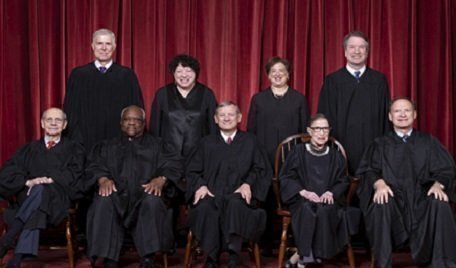
A return to the culture wars in historic arguments
The U.S. Supreme Court steps back into the culture wars this week in telephonic arguments involving birth control and…
COVID-19 and the Constitution — Key Takeaways
The coronavirus pandemic has raised a host of constitutional questions. Here are some key takeaways.
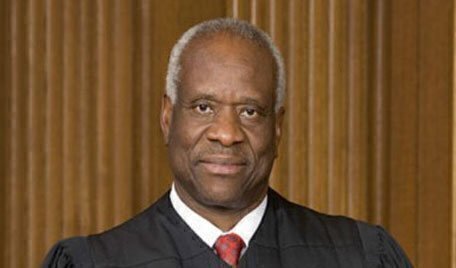
Justice Thomas, originalism and the First Amendment
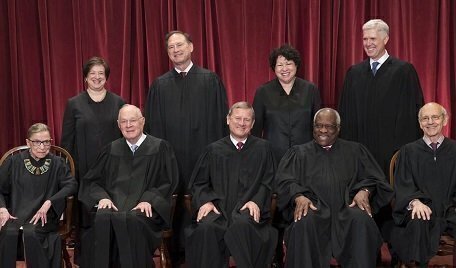
In nearly 28 years on the Supreme Court, Justice Clarence Thomas has been its most unwavering “originalist.” That means that…
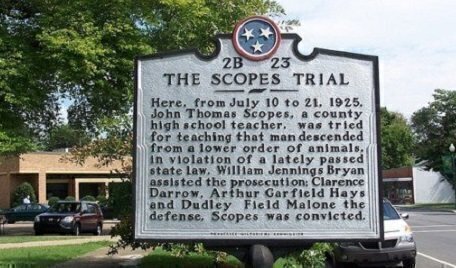
The Scopes Monkey trial and the Constitution
On July 21, 1925, the famous Scopes Monkey trial over teaching evolution in public schools concluded. Mostly remembered today was…
Has the First Amendment been “weaponized”?
The Supreme Court ended its latest term in mid-morning Wednesday after having set for itself and lower courts a daunting…